 Skip-the-line available
 Things to Do Around Tokyo Skytree
Senso-ji and Asakusa, the Sumida River cruise, the aquarium and Solamachi, the Hokusai Museum, and the Asahi 'golden flame'.
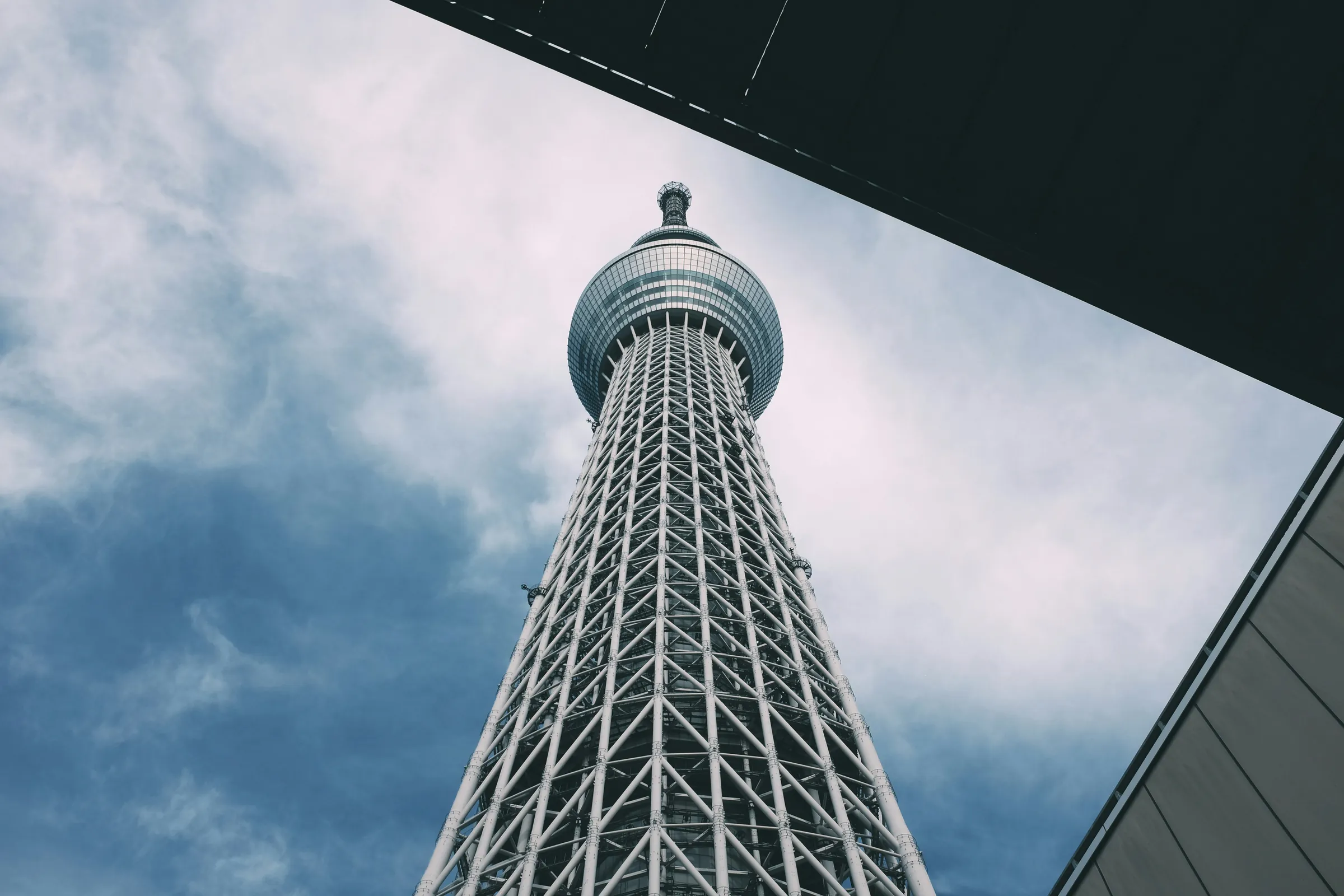
One of the best things about Tokyo Skytree is that it anchors a whole afternoon of sights rather than standing alone. The tower sits in the Sumida district, on the eastern bank of the Sumida River, directly across from Asakusa — Tokyo's most atmospheric traditional quarter — and the area around it is dense with things to do, from ancient temples to a river cruise to an aquarium tucked into the mall at its base. You can easily build a full day here: temples and street food in the morning, a boat down the river, the tower for the late-afternoon view, and a quirky modern museum or two in between. Most of it is within walking distance or a short hop, and the Sumida River Walk footbridge makes crossing between the tower and Asakusa effortless. This guide rounds up the best of what's nearby, so a trip up the Skytree becomes the centrepiece of a day rather than a 90-minute detour.
Asakusa and Senso-ji
Just across the Sumida River from the Skytree lies Asakusa, the city's most atmospheric old quarter, centred on Senso-ji — Tokyo's oldest temple, founded in the 7th century and still a working place of worship. You approach through the great Kaminarimon, the 'Thunder Gate', with its enormous red paper lantern hanging in the entrance, then walk the length of the Nakamise shopping street, a long, bustling lane of stalls selling rice crackers, sweets, crafts, fans and souvenirs that leads directly to the temple's main hall and its five-storey pagoda. It's a complete sensory contrast to the tower: low wooden temple architecture, drifting incense smoke, the clatter of wooden prayer plaques and crowds of pilgrims and visitors, all framed under the soaring modern Skytree rising across the river behind it.
Asakusa richly rewards lingering rather than rushing through. Beyond the temple precinct itself, the surrounding streets are full of traditional shops, old-style restaurants, craft workshops and snack vendors, and the area is a favourite for renting a colourful kimono to wander in or taking a hand-pulled rickshaw ride with a guide. The Asakusa Culture Tourist Information Center, near the Kaminarimon gate, has a free top-floor observation deck with a fine view straight down the Nakamise street toward the temple, and out to the Skytree — a good free orientation stop when you first arrive. A common and natural rhythm for the day is to do Asakusa and Senso-ji in the morning, when the temple is at its calmest and coolest, before crossing the river to the tower for the afternoon and evening.
A Sumida River cruise
The Sumida River is the thread that ties this whole part of Tokyo together, and a river cruise is one of the most relaxing ways to take it all in, especially when your feet are tired from temple crowds. Sightseeing boats run along the Sumida between Asakusa and destinations like the historic Hamarikyu Garden and Odaiba out on Tokyo Bay, gliding under a long series of distinctively shaped and brightly coloured road bridges with the Skytree looming overhead the whole way. A typical trip runs around an hour on the water from end to end, and it makes a genuinely restful change of pace from the crowds and pavements on land, with seating, commentary and plenty to watch drift past.
Among the boats plying the river are the futuristic Himiko and Hotaluna 'water buses', designed by the celebrated manga artist Leiji Matsumoto, which look like sleek silver craft from a science-fiction film and are a particular hit with children and photographers alike. Boarding at the Asakusa pier puts you right between the old temple quarter and the modern tower, so a cruise slots neatly into a day spent here — many visitors ride down toward the bay and back for the round trip, while others use the boat simply as a scenic, traffic-free one-way link onward to another part of the city such as Odaiba. Either way, the low river-level view of the Skytree rising from the water is a memorable counterpoint to the bird's-eye view back down from its decks.
The Sumida Aquarium and Tokyo Solamachi
You don't even have to leave the tower complex to find some of the best things to do nearby. Tokyo Solamachi, the large shopping and dining mall wrapped around the base of the Skytree, holds hundreds of shops and restaurants across multiple floors — everything from souvenir stores, fashion and character goods to a huge range of places to eat, from quick noodle counters to proper sit-down restaurants — making it the obvious and convenient spot for lunch before or after you go up for the view. It's busy, bright and thoroughly modern, well signed in English, and it's genuinely easy to spend an hour or two browsing and eating here without quite noticing the time pass.
Inside the same complex sits the Sumida Aquarium, a sleek, modern aquarium best known for its large open penguin pool, its garden eel display and its tanks themed around Tokyo Bay and the Ogasawara islands far to the south of the city. Alongside it, the Konica Minolta Planetarium 'Tenku' runs immersive star-show and themed projections under a darkened dome. Both are excellent rainy-day or travelling-with-children options, and because they sit right at the foot of the tower they pair effortlessly with a trip up the lifts — you can ride the Skytree, eat in Solamachi and visit the penguins all without once stepping outside, which makes the whole place a genuine all-weather, all-ages destination rather than a single attraction you have to gamble on the weather for.
The Hokusai Museum and the Asahi 'golden flame'
A short distance from the tower, within the Sumida district, is the Sumida Hokusai Museum, dedicated to Katsushika Hokusai — the ukiyo-e master behind 'The Great Wave off Kanagawa' and the 'Thirty-six Views of Mount Fuji' — who was born in this very neighbourhood and lived much of his long life here. The striking, silver, angular modern building, designed by architect Kazuyo Sejima, houses prints, a detailed life-sized recreation of his cramped studio, interactive displays and rotating exhibitions, and it's a rewarding, low-key cultural stop that ties the everyday neighbourhood directly to one of Japan's most globally famous artists. It makes a calm and thoughtful contrast to the noise and crowds of Asakusa and the tower just nearby, and rarely feels overrun.
Down by the river on the Asakusa side, look across the water for the Asahi Beer Hall, the headquarters of the Asahi brewery, topped by an enormous, glinting golden sculpture — officially titled the 'Asahi Flame', though Tokyoites affectionately and almost universally nickname it the 'golden poo' for its unmistakable shape. Designed by the French designer Philippe Starck and completed in 1989, it is one of the most recognisable and most-photographed pieces of modern architecture anywhere on the Tokyo riverfront, and it frames neatly against the Skytree rising across the water behind it. The cluster of the golden flame, the river and the tower together in one shot is a quintessential modern-Tokyo photograph, and it's easily caught from the bridges or from the riverside walk between Asakusa and the Skytree itself.
Frequently asked
What is there to do near Tokyo Skytree?
Plenty within walking distance: Senso-ji temple and Asakusa across the river, a Sumida River cruise, the Sumida Aquarium and Tokyo Solamachi mall at the tower's base, the Sumida Hokusai Museum, and the Asahi Beer Hall with its golden flame sculpture on the riverfront.
How far is Senso-ji temple from Tokyo Skytree?
Senso-ji is in Asakusa, just across the Sumida River — about a 20-minute walk via the Sumida River Walk footbridge, or one stop on the Tobu Skytree Line. It makes a natural pairing with the tower for one day.
Can you take a river cruise near Tokyo Skytree?
Yes — Sumida River sightseeing boats run from the Asakusa pier, near the tower, toward Hamarikyu Garden, Odaiba and the bay, typically about an hour on the water. The futuristic Himiko and Hotaluna water buses are especially popular.
Is there an aquarium at Tokyo Skytree?
Yes — the Sumida Aquarium is inside the Tokyo Solamachi complex at the base of the tower, known for its open penguin pool and Tokyo Bay displays. A planetarium, the Konica Minolta 'Tenku', is in the same complex.
What is the Sumida Hokusai Museum?
It's a museum in the Sumida district dedicated to Katsushika Hokusai, the ukiyo-e artist behind 'The Great Wave', who lived in the area. It houses prints, a studio recreation and rotating exhibitions in a striking modern building, a short distance from the tower.
What is the golden flame near Tokyo Skytree?
It's the 'Asahi Flame', a large golden sculpture atop the Asahi Beer Hall on the Asakusa riverfront, designed by Philippe Starck and nicknamed the 'golden poo' by locals. It frames against the Skytree across the river and is a favourite photo.
Can you spend a whole day around Tokyo Skytree?
Easily. A common plan is Asakusa and Senso-ji in the morning, a Sumida River cruise, lunch in Solamachi, the aquarium or Hokusai Museum, and the tower itself for the late-afternoon or sunset view.